
Behind every number,there is a person who deserves
a life of dignity.
Yemen is facing a protracted humanitarian crisis in which the effects of conflict, economic deterioration, displacement, and climate shocks intersect, placing a heavy burden on millions of families and limiting their ability to secure food, water, care, and safety.
need humanitarian assistance and protection services in 2026, according to the United Nations plan.
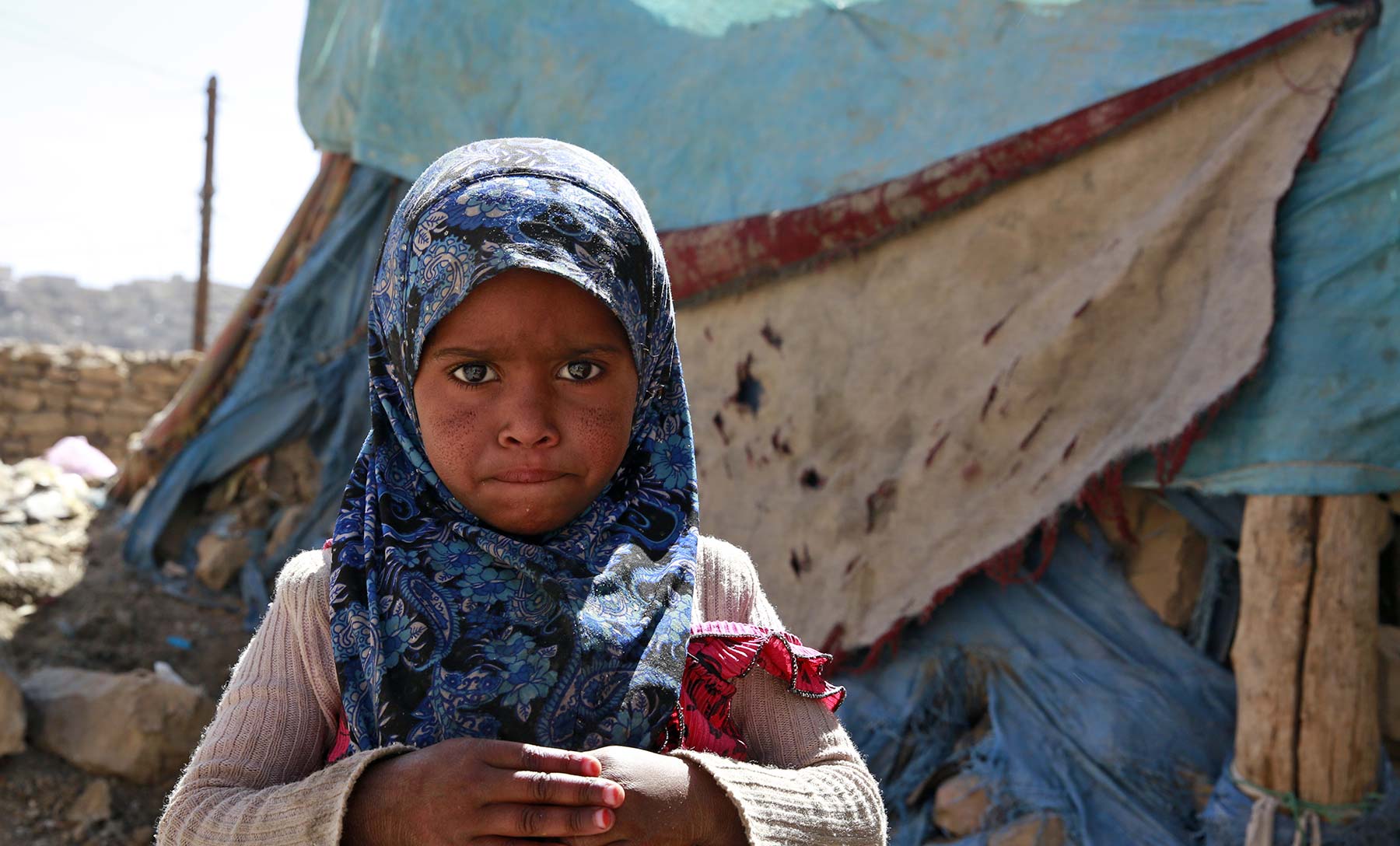
Food, care, shelter, and education are fundamental rights, and protecting them is a shared humanitarian responsibility.
Widespread needs… affecting everyday life
Indicators from the 2026 Humanitarian Needs and Response Plan · OCHA
people face acute food insecurity
Persistent difficulty accessing sufficient food.
children under five suffer from acute malnutrition
An urgent need for nutrition care and treatment.
internally displaced people among those in need of assistance
Families need protection, shelter, and essential services.
people need water, sanitation, and hygiene assistance
Projected needs during 2026.
pregnant and breastfeeding women are expected to suffer from malnutrition
Protecting maternal nutrition is a cornerstone of family health.
of health facilities are fully operational
Significant pressure on access to essential healthcare.
Source: OCHA, 2026 plan published on March 29, 2026. Categories and needs overlap; these figures should not be added together to calculate a total number of beneficiaries.
Today’s needs,
and tomorrow’s recovery challenges.
The impact of the crisis extends from family tables to health facilities and water sources. The deterioration of essential services leaves families more vulnerable to preventable diseases, while displacement and loss of income make it increasingly difficult to meet daily needs.
These needs are closely linked to declining livelihoods. The United Nations Yemen Country Results Report 2025, published in June 2026, indicates that the economy has contracted by more than half since the beginning of the conflict. In addition, importing around 90% of food leaves the country highly vulnerable to supply disruptions and global price fluctuations, while floods and damaged infrastructure further increase community vulnerability.
This highlights the need for an integrated response that combines life-saving assistance, restoration of services, and support for livelihoods, while preserving the dignity of affected people and strengthening the ability of families and communities to recover and become self-reliant.
Sources and Data Dates
- OCHA — Yemen Humanitarian Needs and Response Plan 2026, March 29, 2026. Source for needs and services indicators, response targets, and funding requirements.
- United Nations in Yemen — Country Results Report 2025, June 15, 2026. Source for data on economic contraction and reliance on food imports.
- UNICEF USA — Six Ways Yemen Is in Crisis, October 26, 2018. Source for the archival image only; figures from that older article are not used in this section.